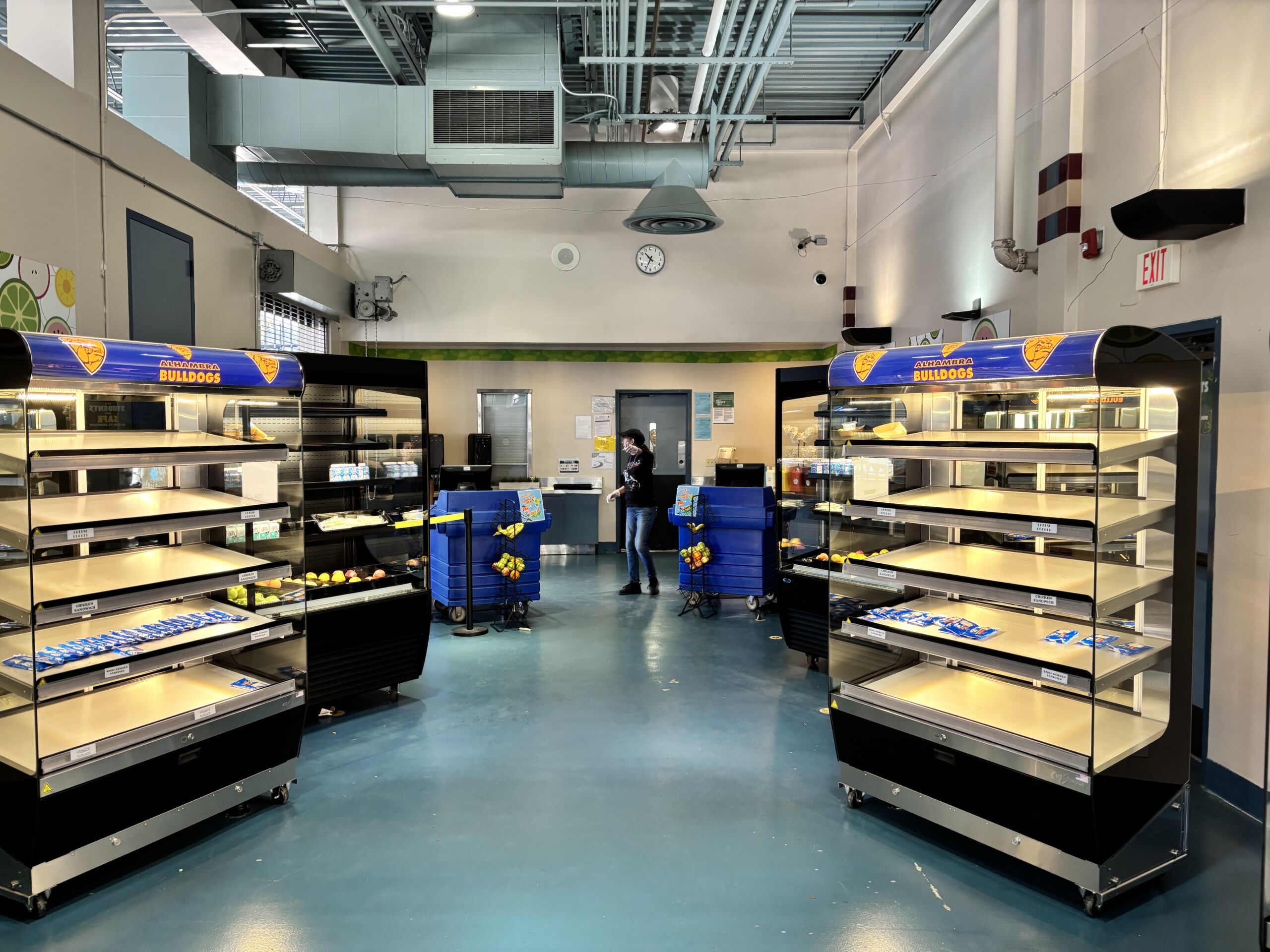
School is back in session and with a new year starting comes new challenges for school kitchens. Some of the challenges districts and schools face are increased students, aging equipment in school kitchens, limited budgets, and evolving nutrition programs while maintaining efficient daily operations. In this guide, we’ll explore how you can prepare a school kitchen design project, renovation, or equipment upgrades.
What Should Schools Consider Before Starting a Kitchen Project?
When starting a school kitchen project, consider operations, capacity, equipment, and budget. Each factor plays a role in a successful project plan to ensure you don’t miss any detail that could push your deadline further.
For operations, consider how the kitchen supports current menus and how staff work. If there are equipment or workflow roadblocks that increase time for meal preparation, consider what solutions can be made to streamline workflows. Other operational considerations include labor shortages, which can influence how you renovate existing spaces for increased efficiency.
Capacity is the next category on your project planning checklist. Schools operate under different circumstances year to year due to varying influx of enrollment. Ask yourself these questions to plan accordingly: What is the projected enrollment in the next 5-10 years? Can the current facility accommodate the growth, or would securing different equipment better support staff? Is production capacity sufficient?
School cafeteria equipment is at the center of your ability to serve students well. Some things to consider when preparing a kitchen project include reviewing current equipment lifespans, maintenance costs, and whether replacement parts are difficult to obtain.
Last but not least, you need to consider your budget. To develop a budget for your project, ask yourself if a realistic budget has been established, whether utility upgrades have been considered, and whether long-term operating costs have been evaluated.
How Do You Design an Efficient School Kitchen?
School kitchen design lays the foundation for the performance of the kitchen. Starting a school kitchen renovation, upgrade, or new build gives you the opportunity to dramatically improve the kitchen workflow through thoughtful and innovative design trends. To design an efficient school kitchen that accommodates the changes, you should consider the kitchen layout and workflow, planning, and designing around staffing and labor challenges.
Kitchen Layout and Workflow
Kitchen layouts and workflows are essential to creating an efficient cafeteria operation. A well-planned layout allows food to move smoothly through each stage of operations, from receiving and storage to preparation, cooking, serving, and cleaning. Strategically placing equipment and workstations helps reduce unnecessary movement, prevent bottlenecks, and improve staff productivity. With efficient designs and workflows, schools can streamline daily operations, maintain food safety standards, and serve students more efficiently.
Planning for Future Growth
Future growth can greatly impact a school kitchen’s ability to produce quality meals efficiently. Flexibility, enrollment projections, menu changes, and production capacity are important factors when designing an efficient school kitchen. Planning for future enrollment growth helps ensure the kitchen has enough space, equipment, and storage to accommodate increased meal demand. Flexible layouts and versatile equipment allow schools to adapt to changing menus, nutritional requirements, and food preparation methods. Staying connected with organizations like the California School Nutrition Association can also help school nutrition professionals stay informed about industry developments and evolving operational needs.
Designing Around Staffing and Labor Challenges
Designing around staffing and labor challenges are essential, especially when operating with limited staff. Strategic equipment placement, streamlined workflows, and thoughtful kitchen layouts can reduce unnecessary movement, minimize repetitive tasks, and improve overall productivity. Incorporating multifunctional equipment and automated solutions can further reduce manual labor and simplify daily operations. By prioritizing efficiency in the design process, schools can maximize staff productivity, maintain consistent meal production, and meet student needs without increasing labor demands. You want your kitchen to be equipped for the future and not just satisfy current problems.
What Equipment Does a School Kitchen Need?
School kitchens are very similar to commercial kitchens. Instead of serving customers, you serve students. The goal is the same: to produce and serve quality food. Essential kitchen equipment for schools include:
- Cooking Equipment: Items like convection ovens, combi ovens, ranges, and steamers allow schools to prepare large quantities of food efficiently while supporting a variety of cooking methods.
- Refrigeration and Cold Storage: For schools who serve tons of students and need to maintain cold temperatures for dozens of meals, refrigerators and cold storage keep ingredients fresh.
- Food Preparation and Holding Equipment: This helps schools directly streamline food prep and keep meals at appropriate temperatures before serving.
- Serving Lines and Cafeteria Equipment: Supports organized meal distribution, reduces student wait times, and improves cafeteria flow. This helps accommodate large groups of students during lunch periods.
- Warewashing and Sanitation Equipment: This ensures dishes, utensils, and food preparation equipment are properly cleaned and sanitized while supporting food safety compliance.
When Should Schools Replace Aging Kitchen Equipment?
School kitchen equipment replacement should be considered when rising maintenance costs, frequent breakdowns, and limited replacement parts start affecting daily operations. These challenges can be hard to manage when you haven’t had problems with equipment in the past. As enrollment, new menus, and production demands evolve; older equipment may require more attention due to general wear and tear. Investing in modern, energy-efficient equipment can help schools reduce long-term costs, improve reliability, minimize downtime, and maintain consistent meal service for students.
At Avanti, our team of school specialists has years of experience handling upgrades and identifying areas where we can help your district. Working with a large catalog of options for kitchens of all sizes, Avanti can set your school kitchen up with the best equipment for your budget.
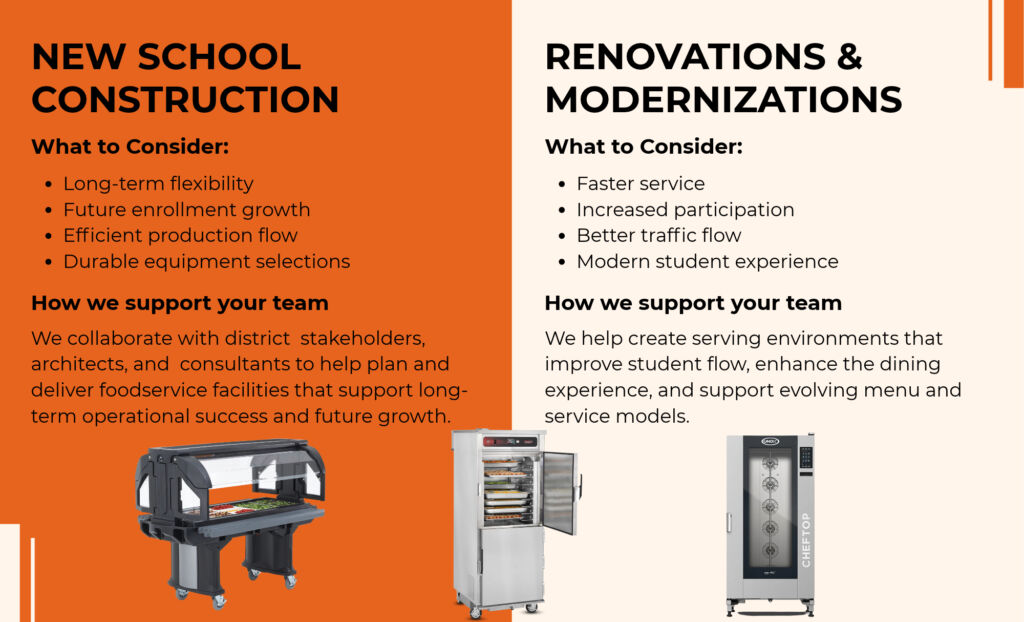
New Construction vs. Renovation: Which Approach Is Right for Your District?
Each project is unique and requires an understanding of all the necessary materials needed to be successful. Whether you’re working with new construction or renovation, each has its own list of priorities.
How Much Does a School Kitchen Renovation Cost?
Before placing orders and beginning construction, you need to know how much a school kitchen renovation cost. The cost of a renovation varies depending on the project’s scope, existing facility conditions, equipment needs, and construction requirements. Understanding these factors helps schools develop realistic budgets while prioritizing long-term operational efficiency. To create an accurate budget, you should evaluate existing conditions and develop equipment specifications early.
When discussing project scope and facility conditions, you need to understand the size and complexities of the renovation. This plays a significant role in determining costs. If it’s updating a couple of pieces of school cafeteria equipment, this requires a smaller investment. An older facility may require structural modifications, code compliance updates, or infrastructure improvements to accommodate modern equipment. For equipment selection and production requirements, consider equipment type, size, capacity, and technology to support daily meal production. Schools serving larger student populations may require high-capacity cooking equipment or automated solutions. Selecting versatile equipment can reduce long-term spending.
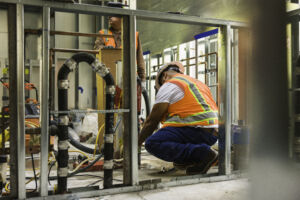
When it comes to trades, installing new equipment may require modifying current utility systems. Some factors like electrical capacity, gas lines, and fire suppression systems may need to meet equipment specifications and safety requirements, especially in older schools. Similarly, construction and installation requirements costs may be influenced by the amount of demolition, equipment installation, and coordination between contractors. Any sort of custom work or modifications to existing layouts can increase project complexity and costs.
Lastly, consider delivery logistics, project timelines, and long-term operating costs. Equipment lead times, delivery, and installation schedules can affect project expenses. Schools may need to complete these changes during breaks when school is not in sessions to avoid meal service disruptions. Developing your budget for renovation projects requires many steps and variables, but the more thought through it is, the better equipped you’ll be for your school’s kitchen renovation.
What Are the Steps for a School Kitchen Design and Construction Project?
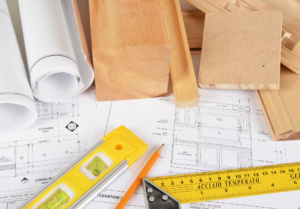
A detailed plan is a thought-out plan. When designing school kitchens, it’s important to have a plan to guide every decision made for your project. Decisions related to equipment, project management, and installation impact each step of construction.
Avanti’s approach to design follows four key phases: discover, develop, document, and support. In discover, we start with understanding the goals, operational needs, and vision for the project. This involves conversations with stakeholders, evaluating menus, staffing, and future growth plans to ensure the facility supports both current and long-term needs. During develop, we translate project goals into practical design solutions. This includes equipment planning, budget development, preliminary utility requirements, and coordination with architects, engineers, and consultants.
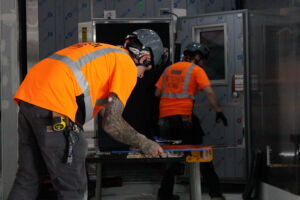
Next is the document phase. Here, we prepare the detailed documentation needed to move the project forward. Equipment plans, utility requirements, schedules, and specifications are developed and coordinated with the project team to support plan review, bidding, permitting, and construction. Lastly, there is support. This is our involvement with the project to help it stay aligned. We assist with project coordination meetings, equipment verification, startup, and final walkthroughs to help ensure the facility is ready for operation. Each phase of the plan plays an important role in keeping projects on track. Avanti’s installation services are led by a seasoned, in-house crew with decades of experience.
Frequently Asked Questions About School Kitchen Planning
How far in advance should schools plan a kitchen renovation?
Schools should typically begin planning kitchen renovations 12–18 months in advance, depending on project complexity. Early planning allows districts to evaluate facility conditions, establish budgets, select equipment, and coordinate contractors. It also helps account for equipment lead times, permitting requirements, and construction schedules while minimizing disruptions to daily meal service operations.
What is the difference between a school kitchen and a central production kitchen?
A school kitchen typically prepares, reheats, and serves meals directly to students at an individual campus. A central production kitchen prepares large quantities of food for distribution to multiple schools. Central kitchens require higher production capacities, specialized equipment, additional storage, and transportation coordinator, while individual school kitchens prioritize efficient preparation and daily meal service operations.
How can schools improve kitchen efficiency without a full renovation?
Schools can improve kitchen efficiency by upgrading outdated equipment, reorganizing workstations, and optimizing storage areas. Adding multifunctional appliances, mobile shelving, and efficient food preparation equipment can help reduce unnecessary movement and streamline operations. Evaluating existing workflows and identifying bottlenecks allow schools to make targeted improvements that increase productivity without requiring extensive construction or renovations.
What should districts look for in a school kitchen equipment supplier?
Districts should look for equipment suppliers with experience in school foodservice operations, equipment procurement, and installation coordination. A reliable supplier understands production requirements, budget limitations, and regulatory standards. Strong communication, dependable project management, manufacturer relationships, and ongoing support are also important for ensuring equipment selections meet operational needs and support long-term kitchen performance goals.
Can school kitchen upgrades help reduce labor demands?
School kitchen upgrades can help reduce labor demands by introducing equipment that simplifies food preparation, cooking, serving, and cleaning processes. Automated cooking systems, high-capacity dishwashers, and multifunctional appliances can minimize repetitive tasks and improve workflow. Thoughtful equipment placement also reduces unnecessary movement, allowing smaller teams to maintain consistent meal production and efficient daily operations.
Start Planning Your Next School Kitchen Project
Successful kitchen planning starts with a good understanding of all the necessary logistics before you begin. You want to consider operational needs, anticipate future demands, and coordinate each stage of the process. Once these details are considered, you’re ready to begin. From evaluating existing workflows to selecting the right equipment, thoughtful planning helps school districts make informed decisions that improve efficiency and support long-term operations.
At Avanti Restaurant Solutions, we’re committed to helping schools create kitchens that meet their needs today while preparing for the future. Our schools department provides comprehensive support throughout the entire process, including kitchen design, equipment procurement, project management, installation, and ongoing assistance. With dedicated school foodservice specialists in California and Nevada, Avanti supports school districts across the country in developing efficient, reliable, and functional kitchen solutions built for long-term success.